ShopDreamUp AI ArtDreamUp

Deviation Actions


Suggested Deviants


Suggested Collections


Description
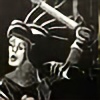
Cast aluminum using lost styrofoam technique. One of a kind vessel (the cape thing is the lid).
2008
The lid was inspired by sea slugs with their gills sticking up from their backs. The bottom piece was a deliberate emulation of a vessel by Thom Lynn, a dear teacher of mine.
**EDIT**
Here's a story my friend told me when I asked her what this piece made her think of:
He's a little creature that lives in the ocean by Antarctica, and he's the only one in the world, except for one other. She lives in the Arctic Ocean.
Every few years they make a journey across the seas to find each other, walking with their little feet along the ocean floor. Sometimes they swim by fluttering their capes to avoid the deep dark trenches.
At last they meet in the middle of the seas, where they can forget their lonliness. Unless, of course, they both go in the same direction, ending up at each other's poles where they sing and flutter in sadness until they give up and go home.
2008
The lid was inspired by sea slugs with their gills sticking up from their backs. The bottom piece was a deliberate emulation of a vessel by Thom Lynn, a dear teacher of mine.
**EDIT**
Here's a story my friend told me when I asked her what this piece made her think of:
He's a little creature that lives in the ocean by Antarctica, and he's the only one in the world, except for one other. She lives in the Arctic Ocean.
Every few years they make a journey across the seas to find each other, walking with their little feet along the ocean floor. Sometimes they swim by fluttering their capes to avoid the deep dark trenches.
At last they meet in the middle of the seas, where they can forget their lonliness. Unless, of course, they both go in the same direction, ending up at each other's poles where they sing and flutter in sadness until they give up and go home.
Image size
2000x3008px 660.61 KB
Make
NIKON CORPORATION
Model
NIKON D70s
Shutter Speed
10/600 second
Aperture
F/4.5
Focal Length
31 mm
Date Taken
Apr 18, 2006, 8:25:25 PM
© 2008 - 2024 Cuivielin
Comments5
Join the community to add your comment. Already a deviant? Log In

I've casted with the lost wax method, but how do you do it with styrofoam? If you don't mind me asking